
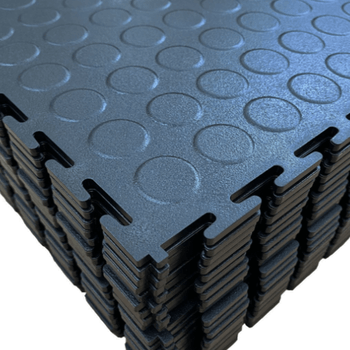
Rubber Matting Interlocking: A Solution for Safe and Stable Flooring
Choosing the right flooring can make a big difference to safety, comfort, and maintenance—especially in spaces with heavy foot traffic, equipment, moisture, or long hours of standing. Rubber matting (especially interlocking rubber matting) is one of the most practical flooring upgrades because it’s tough, slip-resistant, and easy to install without major renovations.
Whether you need reliable flooring for a home gym, a commercial training facility, a workshop, or a high-traffic work zone, rubber matting can protect your floors and help reduce the risk of slips and falls. Interlocking designs also make it easier to cover larger areas, replace single tiles, and expand your floor coverage as your needs grow.
What Is Interlocking Rubber Matting?
Interlocking rubber matting is made up of modular rubber tiles or mats with edges that connect (like puzzle pieces). Instead of using glue or complicated tools, you align the edges and press the pieces together to create a stable surface.
Why “interlocking” makes a difference
- Stability: Connected tiles stay aligned and reduce shifting underfoot.
- Faster installation: Most spaces need little to no subfloor preparation.
- Easy replacement: Swap one tile if it gets damaged instead of replacing the whole floor.
- Flexible sizing: Start small and add more tiles later as your space changes.
Top Benefits of Rubber Matting for Homes and Businesses
The popularity of rubber matting comes from the way it balances durability, comfort, and safety. Below are the key benefits that make rubber matting a smart option in many environments.
1) Slip resistance for safer floors
Rubber naturally offers strong grip, and many interlocking rubber designs add raised textures for even better traction. This helps reduce slips and falls in busy spaces, wet zones, and high-risk working environments.
2) Shock absorption and comfort underfoot
Rubber matting provides cushioning that helps reduce impact on joints. This is especially useful in gyms, play areas, and workplaces where people stand for long periods. It can also make the surface feel more comfortable and less harsh than bare concrete or tiles.
3) Durability for high-traffic and heavy-use zones
Interlocking rubber tiles are designed to handle frequent foot traffic and daily wear. In gyms, they can handle movement and impact; in industrial settings, they can help protect subfloors from abrasion, scuffing, and general damage.
4) Noise reduction and a better working environment
Rubber helps absorb sound. That makes rubber matting a great solution for gyms with weights, busy workshops, or areas where noise control matters (for staff comfort and customer experience).
5) Easy maintenance and cleaning
Most rubber floors are low maintenance. Regular sweeping and occasional mopping usually keeps the surface clean. In dirtier environments, you can use mild soap and water with a soft brush to refresh the surface when needed.
Best Applications for Rubber Matting Interlocking
One reason rubber matting is so widely used is because it works across many industries and spaces. Here are the most common (and most effective) applications for interlocking rubber flooring.
Home gyms and fitness rooms
Rubber is one of the best flooring materials for training spaces because it helps absorb shock and reduces noise. Interlocking rubber tiles also stay connected during intense workouts. They help protect the subfloor and can reduce vibration and impact from equipment and movement.
Commercial gyms and studios
Commercial gyms need flooring that handles heavy use. Rubber matting supports safer footing, reduces noise, and creates a more comfortable surface for both clients and staff. It’s also practical for maintenance, especially in high-traffic workout zones.
Workshops, garages, and tool areas
In workshops, floors often face dust, minor spills, tools, and constant movement. Interlocking rubber matting can add traction, reduce fatigue, and protect the floor underneath. It’s a useful option in work zones where safety and durability matter.
Play areas and indoor recreation spaces
Rubber’s cushioning helps reduce injuries in play spaces. Interlocking rubber flooring makes it easy to create safe zones for children’s indoor play areas and recreational rooms, while still being tough enough for daily activity.
Industrial and commercial environments
In industrial areas, rubber flooring is often chosen for durability, traction, and comfort. It can help improve working conditions by reducing the strain of standing and offering a safer surface around equipment and high-traffic walkways.
Rubber Matting vs PVC Interlocking Tiles: What’s the Difference?
Many buyers compare rubber matting to PVC interlocking tiles because both can be installed as modular flooring. The right choice depends on how you will use the space and what performance matters most.
When rubber matting is the better choice
- You need more cushioning and shock absorption (gyms, play areas, standing work zones).
- You want strong traction and a soft feel underfoot.
- You need a floor that helps reduce noise and impact.
When PVC tiles may be better
- You want a more “finished” look for garages, showrooms, and certain commercial spaces.
- You prefer a surface that does not absorb water and is easier to wipe clean in some environments.
- You need a flooring style that’s typically lighter and often more “aesthetic” for display areas.
If you’re shopping specifically for rubber products, browse our range here: Rubber Mats. For interlocking solutions, you can also explore: Interlock Rubber Mats.
How to Choose the Right Rubber Matting Thickness
Thickness affects comfort, stability, and performance. The best thickness depends on your application:
Light-duty use
For light home use or low-impact zones, thinner rubber tiles can work well—especially where you want a simpler floor cover without extra height changes.
Gym and heavy-use zones
For gyms, weight areas, and high-impact spaces, thicker rubber matting provides better shock absorption and protects your subfloor more effectively.
Workplace comfort (standing for long periods)
If the goal is comfort at workstations, choose rubber flooring designed to reduce fatigue and improve support underfoot.
Installation Tips for Interlocking Rubber Matting
Interlocking rubber matting is popular because it’s DIY-friendly. For best results:
- Start with a clean, dry, and reasonably level floor.
- Lay tiles from one corner and work outward in rows.
- Press joints firmly so edges lock tightly.
- Trim edge pieces neatly (where needed) for a clean finish.
- After installation, check that all joints are secure before heavy use.
Cleaning and Maintenance for Rubber Matting
Regular cleaning
- Sweep or vacuum dust and grit frequently.
- Wipe or mop with mild soap and water as needed.
- Spot-clean spills early to prevent buildup.
Deep cleaning
For deeper cleaning, use a mild soap solution and a soft brush. Avoid harsh chemicals unless the rubber is rated for chemical exposure. Rinse with clean water and allow the surface to dry fully before heavy use.
FAQs About Rubber Matting Interlocking
Can rubber matting be used in wet environments?
Yes, rubber matting offers good traction and is commonly used in kitchens, work zones, and areas where water may be present. Always choose the right texture and maintain cleanliness to support slip resistance.
Can interlocking rubber mats be cut to size?
Yes. Many interlocking rubber tiles can be trimmed with a sharp utility knife to fit corners, edges, or specific room shapes.
Is rubber matting suitable for heavy equipment?
It depends on the product thickness and design. For heavier equipment and high-impact zones, choose thicker rubber flooring designed for those demands.
How long does rubber matting last?
With correct use and regular maintenance, rubber matting can last for years. High-traffic areas may require occasional tile replacement, which is easy with interlocking systems.
Conclusion: Why Rubber Matting Interlocking Is a Practical Flooring Solution
If you need flooring that’s safe, stable, and built for real use, rubber matting is one of the most reliable options available. Interlocking rubber tiles deliver traction, comfort, noise reduction, and durability—without complicated installation. From gyms and workshops to play areas and commercial spaces, rubber matting helps create a better surface to walk, work, and train on.
Ready to upgrade your floor? Browse: Rubber Mats or Interlock Rubber Mats, or contact us for guidance and pricing.