
Introduction
Understanding how to choose the right rubber mat is essential for ensuring safety, durability, and long-term performance in any environment. Whether you need flooring for a gym, garage, workplace, or home, selecting the correct mat can significantly improve comfort, reduce maintenance, and protect your floors.
Rubber mats are widely used because they offer excellent grip, cushioning, and resistance to wear. However, not all mats are the same. Choosing the right one depends on factors such as usage, thickness, material, and environment.
-
Identify the Purpose of the Mat
The first step in learning how to choose the right rubber mat is understanding where and how it will be used.
Different environments require different features:
- Gyms: Need shock absorption and grip
- Garages: Require durability and resistance to oil
- Commercial spaces: Focus on safety and heavy traffic
- Homes: Balance comfort and appearance
Selecting a mat that matches the environment ensures better performance and longevity.
-
Consider Thickness for Performance
Thickness plays a major role in comfort, durability, and safety. Mats that are too thin may wear out quickly, while overly thick mats may be unnecessary for lighter use.
- Thin mats: Suitable for light-duty areas
- Medium thickness: Ideal for general use
- Thick mats: Best for heavy equipment or high-impact areas
Thickness directly affects cushioning, noise reduction, and lifespan, making it one of the most important factors to consider
-
Choose the Right Material Type
Material selection is key when deciding how to choose the right rubber mat.
Different rubber types offer different benefits:
- Natural rubber: Flexible and comfortable
- Recycled rubber: Eco-friendly and durable
- Nitrile rubber: Resistant to oils and chemicals
The material should match your environment and specific needs, especially in industrial or high-moisture areas
-
Evaluate Slip Resistance and Safety Features
Safety is one of the main reasons people invest in rubber mats. A high-quality mat should provide excellent grip to reduce slips and falls.
Key safety features to look for:
- Textured or patterned surfaces
- Anti-slip backing
- Bevelled edges to prevent tripping
Rubber flooring is known for its slip-resistant properties, making it ideal for areas prone to moisture or heavy use
-
Measure the Size and Layout
Another important aspect of how to choose the right rubber mat is ensuring the correct size and fit.
Before purchasing:
- Measure your space accurately
- Consider full coverage vs targeted placement
- Choose modular or interlocking mats for flexibility
A properly fitted mat improves both functionality and appearance, while preventing dirt from collecting around edges.
-
Assess Durability and Traffic Levels
Durability is critical, especially in high-traffic environments. Rubber mats are known for their strength, but the level of durability varies depending on density and design.
High-density mats offer maximum durability, while medium-density options provide a balance between flexibility and strength .
For heavy-duty areas, always choose mats designed to withstand constant use and pressure.
-
Check Maintenance Requirements
Ease of cleaning is another key factor when considering how to choose the right rubber mat.
The best mats:
- Require minimal maintenance
- Are easy to clean with water and mild detergent
- Resist stains and moisture
Rubber mats are generally low maintenance, making them suitable for both residential and commercial environments
-
Consider Comfort and Ergonomics
Comfort is especially important in environments where people stand for long periods. Rubber mats provide cushioning that reduces fatigue and strain on joints.
Anti-fatigue properties are beneficial in:
- Kitchens
- Workstations
- Retail counters
- Industrial environments
This makes rubber mats not only practical but also supportive for daily use.
-
Look at Installation Type
Installation plays a big role in usability and flexibility.
Common options include:
- Loose mats: Easy to move and replace
- Interlocking tiles: Ideal for custom layouts
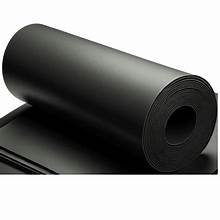
- Roll mats: Suitable for covering large areas
Interlocking systems are particularly useful because they allow for easy expansion and replacement without disrupting the entire floor
Additional Considerations
When deciding how to choose the right rubber mat, also think about:
- Weather resistance for outdoor use
- Noise reduction in busy environments
- Aesthetic appeal for commercial spaces
- Budget vs long-term value
Investing in quality mats may cost more upfront but saves money over time through durability and reduced replacement needs.
Common Mistakes to Avoid
Many people make simple mistakes when selecting mats. Avoid the following:
- Choosing the wrong thickness
- Ignoring the environment
- Selecting low-quality materials
- Not measuring the space properly
Understanding how to choose the right rubber mat helps you avoid these issues and ensures better results
Conclusion
Knowing how to choose the right rubber mat allows you to make informed decisions that improve safety, durability, and overall performance. By considering factors such as thickness, material, size, and usage, you can select a mat that meets your specific needs.
Whether for a gym, garage, workplace, or home, the right choice ensures long-term value, reduced maintenance, and a safer environment. Investing in the correct mat is not just about flooring—it’s about enhancing the functionality and comfort of your space.