
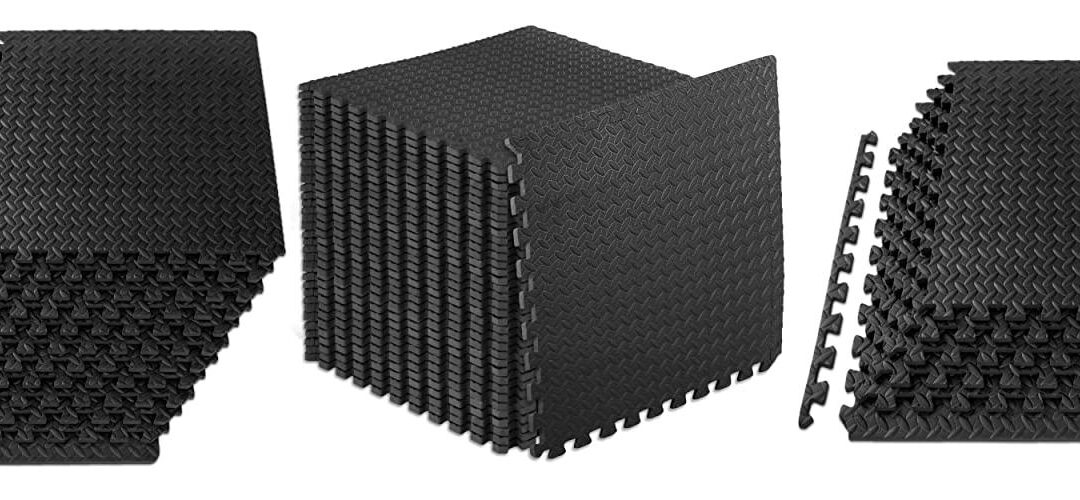
When setting up a fitness space, understanding different gym mats types is essential for safety, performance, and durability. Whether you’re building a home gym or upgrading a commercial facility, the right flooring can significantly improve comfort, reduce injuries, and protect your equipment.
Gym mats are designed to absorb impact, provide grip, and reduce noise during workouts, making them a must-have for any training environment.
Why Gym Mats Matter
Choosing the correct gym mat is not just about aesthetics—it directly affects your workout quality. High-quality mats:
- Protect joints and reduce injury risk
- Improve stability and grip
- Reduce noise and vibration
- Protect floors from heavy equipment
- Enhance hygiene and cleanliness
10 Different Gym Mats Types
Rubber Gym Mats
Rubber mats are one of the most popular gym mats types, ideal for weightlifting and high-impact workouts. They offer excellent durability, shock absorption, and slip resistance.
Best for: Heavy lifting, commercial gyms
Interlocking Rubber Tiles
These modular tiles are easy to install and replace, making them perfect for scalable gym setups.
Best for: Home gyms, garages
VA Foam Mats
Lightweight and budget-friendly, EVA foam mats provide cushioning for low-impact workouts.
Best for: Yoga, stretching, kids’ areas
PVC Gym Mats
PVC mats are water-resistant and easy to clean, making them suitable for cardio zones.
Best for: Treadmills, exercise bikes
Yoga Mats
Thin yet supportive, yoga mats are designed for flexibility, balance, and comfort.
Best for: Yoga, Pilates, bodyweight exercises
Folding Gym Mats
These mats are portable and provide extra cushioning, often used in gymnastics or martial arts.
Best for: Mobility workouts, martial arts
Folding Gym Mats
These mats are portable and provide extra cushioning, often used in gymnastics or martial arts.
Best for: Mobility workouts, martial arts
Carpet Gym Mats
Carpet-top mats combine comfort with durability and are often used in functional training areas.
Best for: Sled training, functional fitness
Cork Gym Mats
Eco-friendly and naturally antimicrobial, cork mats are gaining popularity in modern fitness spaces.
Best for: Yoga, eco-conscious users
Turf Gym Mats
Artificial turf mats are used for agility and sled workouts, offering a unique training surface.
Best for: Functional training, CrossFit
How to Choose the Right Gym Mat
When selecting from different gym mats types, consider the following:
- Workout type: Heavy lifting vs yoga
- Thickness: Thicker mats offer better shock absorption
- Material: Rubber for durability, foam for comfort
- Space size: Tiles vs rolls vs standalone mats
- Budget: Balance cost with long-term durability
Conclusion
Understanding the different gym mats types helps you create a safer, more effective workout space. From durable rubber mats for weightlifting to soft foam mats for yoga, each type serves a specific purpose.
Investing in the right gym flooring not only protects your equipment and floors but also enhances your overall fitness experience.