
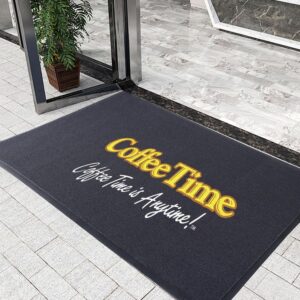
DIY Doorstep Mat Ideas and Projects: Make a Mat That Matches Your Home
A doorstep mat is one of those small details that can completely change the feel of an entrance. It’s the first thing guests step on, the first line of defence against dirt and moisture, and (if you want it to be) a mini piece of decor. The best part? You don’t have to settle for something generic. With a few simple supplies and a bit of creativity, you can make a DIY doorstep mat that feels personal, looks stylish, and still does its job properly.
In this guide, we’ll share practical DIY doorstep mat ideas (from paint-and-stencil projects to upcycled crafts), plus the key tips that make the difference between a mat that looks good for one weekend and a mat that lasts. You’ll also find helpful links to ready-made options on BrandMat if you’d rather start with a quality base or upgrade to a commercial-grade entrance solution.
Before You Start: Choose the Right Base Mat
The easiest way to get a durable result is to start with a mat that is already designed for entrances. If your base mat can’t scrape dirt or handle moisture, it will look great in photos but disappoint in real life. Here are common base options to consider:
- Coir (coconut fibre): Great for scraping dirt and giving a classic “front door” look. Browse Coir Mats.
- Rubber-based mats: Strong grip and durability, ideal for wet entrances and heavy traffic. See Rubber Mats.
- Welcome-style mats: Perfect for decorative entrances and covered patios. Explore Welcome Mats.
- Entrance matting for higher traffic: Better dirt and moisture control for busy homes and workplaces. View Entrance Mats.
Tip: If your entrance is exposed to rain, choose a base that dries quickly or drains well. If it’s under cover, you can focus more on the look and scraping performance. For a quick reference to entrance products (external, nofollow), you can also view entrance mats and coir mats.
DIY Doorstep Mat Essentials: What You’ll Need
Most DIY doorstep mat projects use the same core tools. You don’t need everything below for every idea—just pick what fits your plan:
- Painter’s tape (for clean edges and patterns)
- Stencils (letters, shapes, borders) or a printed template
- Outdoor acrylic paint or floor paint (choose non-slip where possible)
- Foam roller or stencil brush
- Spray sealer / clear outdoor sealant (helps protect paint and reduce fading)
- Scissors/craft knife (for cutting tape or shaping templates)
- Old cardboard/newspaper (to protect the floor while you work)
10 DIY Doorstep Mat Ideas You Can Actually Finish
1) Classic Welcome Lettering (Stencil)
This is the easiest “high impact” DIY doorstep mat project. Place a “WELCOME” stencil across the centre, tape it down, and dab paint with a stencil brush (don’t drag the brush—dabbing reduces bleeding). Seal once dry for a longer-lasting finish.
2) House Number Mat
Instead of a welcome message, stencil your house number. This looks modern and helps guests, deliveries, and visitors find your door faster. Use a bold font for readability and keep the layout centred for a clean look.
3) Minimalist Border Frame
Tape a thin border around the mat edges and paint it in a single colour (black, charcoal, navy, or a tone that matches your door). This style is subtle, tidy, and works with almost any exterior design.
4) Geometric Blocks (Tape + Paint)
Use painter’s tape to create triangles, chevrons, or blocks. Paint alternating shapes in two tones. This DIY doorstep mat style looks modern and hides everyday scuffs better than a plain painted surface.
5) Monogram or Initial
A large single letter (your surname initial) looks premium and simple. Place the stencil in the centre, paint with a foam roller, and keep the rest of the mat natural for contrast.
6) “Mud Zone” / “Shoes Off” Message
If your home has kids, pets, or garden traffic, make your mat functional and funny: “SHOES OFF”, “MUD ZONE”, or “WIPE PAWS”. It sets expectations and helps keep indoor floors cleaner.
7) Two-Step Entrance Setup (Outside + Inside)
Want your mat to work better, not just look better? Pair your DIY doorstep mat outside (scrape) with a second mat inside (wipe). For a stronger entrance system, you can add a ready-made interior mat from our Commercial Mats range or browse Entrance Mats.
8) Upcycled Fabric “Rag Rug” Mat (Covered Patio Only)
Cut old t-shirts or fabric into strips, braid or weave them into a thick rug-style mat, and stitch/secure tightly. This is best for covered entrances because fabric holds moisture. If your doorway gets wet, choose rubber or coir instead.
9) Nature Print Mat (Leaf + Paint Press)
Place flat leaves under the mat edge (or use them as a stencil), lightly roll paint over the surface, and lift the leaf to reveal a print. Keep the design subtle and seal it to reduce fading from sun exposure.
10) Branded Look for a Home Office (Logo-Style Text)
If you run a small business from home, try a neat text-only “studio” or “home office” style mat (e.g., “STUDIO”, “WORKSHOP”, “OFFICE”). For professional branding at a business entrance, rather go for a real Branded Mat or Logo Mat—it lasts longer and looks more polished.
How to Make Your DIY Doorstep Mat Last Longer
The biggest complaint people have about a DIY doorstep mat is fading or peeling. Usually, it comes down to three things: the wrong paint, too much paint, or skipping the sealer. Use these practical tips:
- Use outdoor-friendly paint: outdoor acrylic or floor paint handles moisture and temperature changes better.
- Apply thin coats: multiple light coats beat one thick coat (thick paint cracks and peels faster).
- Seal it: a clear outdoor sealer protects colour and makes light cleaning easier.
- Keep it flat while drying: don’t move it until fully dry, or the design can smudge or stick.
- Avoid glossy finishes on smooth mats: very glossy paint can be slippery—prioritise grip.
Cleaning & Maintenance (So It Still Looks Good)
Your entrance mat does the dirty work—so keep it working. Shake or brush off loose dirt weekly. For deeper cleaning, hose down rubber mats and air-dry; for coir, shake/vacuum and keep it as dry as possible. If you want more cleaning tips for entry flooring (external, nofollow), see this guide on floor care & cleaning.
When DIY Isn’t the Best Option (And What to Do Instead)
DIY is fun, but some entrances need commercial-grade performance—especially if you have heavy foot traffic, frequent rain, or customers walking in all day. If your mat needs to handle real wear, consider:
- Entrance Mats for better dirt/moisture control
- Commercial Mats for high traffic environments
- Rubber Mats for grip and durability
- Custom Mats if you want a personalised size, message, or finish
FAQs: DIY Doorstep Mat
What is the best base for a DIY doorstep mat?
Coir is great for scraping dirt and gives a classic look, while rubber bases offer better grip and durability in wet conditions. If you want something tougher, start from a quality mat in our Shop.
How do I stop paint from bleeding under a stencil?
Tape the stencil down firmly, use very little paint on your brush/roller, and dab instead of brushing sideways. Thin coats reduce bleeding and look cleaner.
Can I use a DIY doorstep mat outside in the rain?
You can, but choose the right base and seal it. Coir is best under cover; rubber is better for exposed or wet entrances. For wet entrances, consider ready-made entrance mats.
How long should I wait before using the mat?
Let paint dry fully (often overnight) and follow the sealer instructions. Using it too soon can cause smudges and reduce durability.
Final Thoughts
A DIY doorstep mat is a simple, budget-friendly way to add personality to your entrance—while still helping with dirt control and everyday practicality. Start with a base that suits your doorway, keep the design clean and readable, and seal your work so it lasts. And if you’d rather skip the DIY (or need something tougher), you can always upgrade with our Entrance Mats, Rubber Mats, or a professional Branded Mat.
Need help choosing the right mat for your space? Reach out on Contact Us and tell us whether your entrance is covered, exposed, high traffic, or wet—we’ll point you in the right direction.
External references (nofollow): Entrance mats · Coir mats · Floor care guide