
Materials Used in Mats: A Practical Guide to Choosing the Right Mat Material
Mats look simple, but the materials used in mats determine almost everything—how well they scrape dirt, how safely they grip the floor, how long they last, and how easy they are to clean. Whether you’re buying a doormat for a home entrance, fitting out a reception area, or selecting heavy-duty matting for an industrial workspace, understanding mat materials helps you choose smarter and avoid replacing mats too often.
In this guide, we’ll break down the most common materials used in mats, what they’re best for, and how to match the material to the environment (wet areas, heavy foot traffic, oily floors, outdoor sun exposure, and more). We’ll also explain the difference between “surface materials” and “backing materials”—because both matter.
Why the Materials Used in Mats Matter
A mat’s performance is a mix of surface fibre/texture, thickness, density, and the type of backing underneath. The right combination can improve cleanliness, safety, and durability—especially in entrances where mats act like a first “filter” for dust and moisture before it gets into your building.
Key performance factors to check
- Dirt scraping: How well the surface removes grit from shoes (important for entrances and workshops).
- Moisture absorption or drainage: Needed for rainy entrances, pool areas, bathrooms, and kitchens.
- Slip resistance: Mostly controlled by the backing material and weight.
- Traffic rating: Domestic vs. commercial vs. industrial usage.
- Cleaning method: Shake, vacuum, hose, machine wash, or scrub.
- Indoor/outdoor suitability: UV exposure, rain, and temperature changes can damage some materials.
Natural Fibre Materials Used in Mats
Natural fibres are popular for entrances and décor because they look warm and feel “premium.” They’re often chosen for doormats and low-to-medium traffic areas. The most well-known natural fibre in doormats is coir, but there are several options.
Coir (coconut fibre)
Coir is made from coconut husk fibres and is one of the most effective materials used in mats for scraping dirt. Coir fibres are stiff, which helps remove mud and grit from footwear. Coir mats are a classic choice for homes, complexes, and office entrances—especially under cover.
- Best for: Doorways, covered entrances, low-to-medium moisture zones.
- Pros: Great scraping performance, natural look, durable fibres.
- Consider: Coir can shed fibres and may wear faster if left in constant rain.
Sisal and jute
Sisal (from agave) and jute (plant-based) are used more for indoor mats and runners than heavy-duty entrances. They offer a natural aesthetic and comfortable feel underfoot, but they typically don’t handle heavy water exposure as well as rubber or PVC.
- Best for: Indoor areas, décor-focused spaces, dry entrances.
- Pros: Natural appearance, pleasant texture.
- Consider: Not ideal for wet conditions; can stain if spills are not cleaned quickly.
Cotton and other natural textiles
Cotton is common in lightweight indoor mats, bathroom mats, and washable kitchen mats. Cotton mats are easy to launder and feel soft, but they are not usually suited for rough outdoor use or heavy commercial traffic.
Synthetic Fibre Materials Used in Mats
Synthetic fibres are popular because they’re strong, consistent, and easy to manufacture with different textures and colours. Many commercial mats rely on synthetic fibres for durability and for keeping logos looking sharp over time.
Nylon
Nylon is one of the toughest textile fibres used in mats. It’s commonly used in commercial entrance mats because it handles frequent foot traffic, resists crushing, and performs well at removing dirt. Nylon also holds colour well, which helps with branded designs.
- Best for: Reception entrances, offices, retail stores, high-traffic indoor areas.
- Pros: Durable, strong, good scraping and cleaning ability.
- Consider: Often costs more than basic polypropylene options.
Polypropylene
Polypropylene is widely used because it’s cost-effective and resists moisture. Many indoor/outdoor mats and utility mats use polypropylene fibres due to their quick-drying nature. It’s also a common material in budget-friendly matting.
- Best for: General-purpose mats, moisture-prone zones, entry areas with moderate traffic.
- Pros: Affordable, moisture-resistant, dries quickly.
- Consider: Can flatten faster than premium nylon under constant heavy use.
Polyester
Polyester is used in mats where colour clarity matters. It often appears in logo mats and promotional mats, because it can keep colours vibrant. For branding, polyester can be paired with certain printing methods to produce crisp, detailed logos.
Rubber Materials Used in Mats
Rubber is one of the most practical materials used in mats when safety and grip are priorities. It’s commonly used in industrial environments, wet areas, and entrances that need slip resistance. Rubber can be the entire mat, or it can be used as a backing under a textile surface.
Natural rubber vs. synthetic rubber
Natural rubber tends to be very flexible and grippy, while synthetic rubber blends can be engineered for chemical resistance, durability, or cost control. Many commercial and industrial mats use rubber because it stays stable underfoot and can handle tough conditions.
- Best for: Wet areas, workshops, warehouses, high-traffic entries, safety-focused spaces.
- Pros: Great grip, durable, helps reduce slips.
- Consider: Some rubbers may have a stronger odour when new; ventilation helps at first.
Anti-fatigue rubber and cushioned rubber blends
Anti-fatigue mats often use rubber or rubber-foam blends to reduce strain during long standing periods. These are popular in kitchens, packing stations, cashier points, and production lines where comfort improves productivity.
PVC and Vinyl Materials Used in Mats
PVC (polyvinyl chloride) is a common choice for durable, water-resistant mats. PVC is used for utility mats, wet-area matting, and many easy-clean products. Vinyl loop “spaghetti” style matting is a well-known example that traps dirt and allows water to drain through.
PVC utility mats
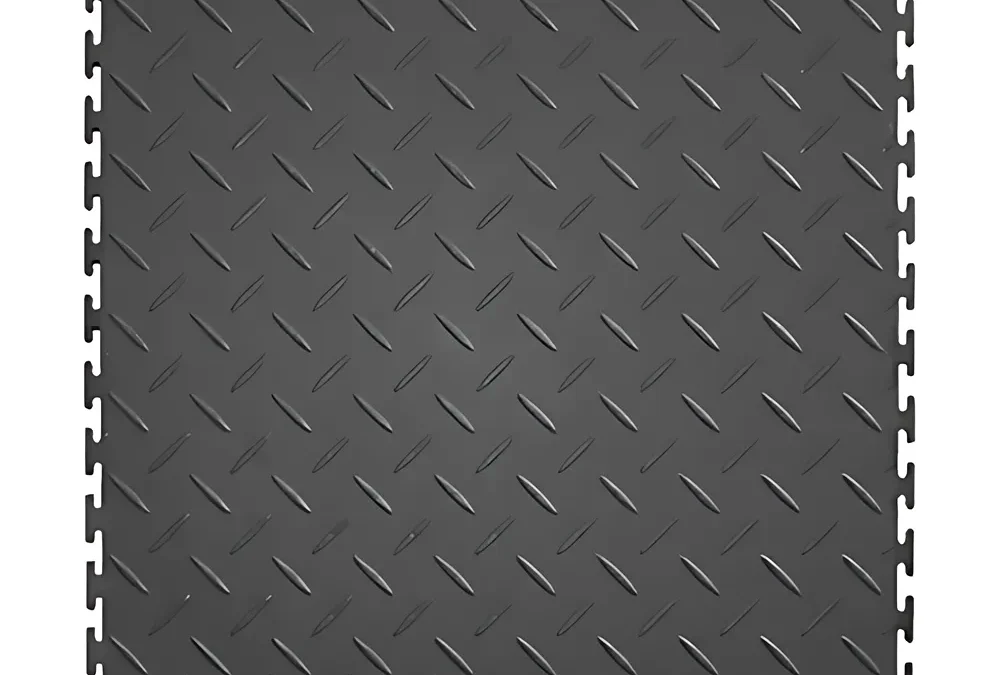
PVC mats are often chosen for their practicality. They can be hosed down, they resist water, and many designs include surface textures for grip. If you need a mat that handles messy conditions, PVC is often a strong option.
Vinyl loop (spaghetti) matting
Vinyl loop matting is designed to trap dirt and allow moisture to drain. It’s commonly used in entrances, walkways, and wet zones because it helps reduce slip risk while keeping shoes cleaner. It’s also easy to clean—shake it out or hose it down and let it dry.
If you’re comparing entrance options, you can explore categories like branded doormats and custom printed mats for higher-impact entrances.
Foam Materials Used in Mats
Foam is all about comfort. Foam-based mats are popular in kitchens, workplaces, and any area where people stand for extended periods. Foam mats can be made from several materials depending on the performance needed.
Memory foam
Memory foam mats provide soft cushioning and comfort. They’re common in kitchens and home workspaces, where comfort underfoot is the main goal. Memory foam works best indoors and in cleaner environments.
EVA foam
EVA foam is lightweight and commonly used in play mats, gym puzzle mats, and soft flooring solutions. It’s easy to install and comfortable, but it’s generally not a heavy-duty entrance solution.
Backing Materials Used in Mats
Many people focus on the top surface, but the backing is what keeps the mat stable and safe. A great surface on a poor backing can still slide, curl, or bunch up—especially on tiles or polished floors.
Rubber backing
Rubber-backed mats are popular for slip resistance. They’re often used under nylon, polypropylene, or polyester surfaces in commercial entrance mats.
PVC backing
PVC backing is common in waterproof mats and utility products. It can work well in wet zones, but the overall grip depends on the backing texture and weight.
Latex and non-woven backings
Latex can be used to stabilise certain textile mats, while non-woven layers are sometimes used to add structure. The best backing depends on the floor type and expected traffic.
Branded vs Non-Branded Mats: Does Material Make a Difference?
In general, branded mats often focus on consistent performance (durability, colour retention, and high-traffic suitability), while non-branded mats may focus on affordability. But the key is not the label—it’s the specification. Two mats can look similar and perform very differently if the fibre density, backing, and construction method are not the same.
What to prioritise for branded mats
- Colour retention: Polyester and nylon usually perform well.
- Durable backing: Rubber or high-quality PVC backing helps prevent slip.
- Construction quality: Better stitching, edging, and surface density improves lifespan.
For businesses that want a strong entrance impression, explore options like corporate mats and personalised mats.
How to Choose the Right Mat Material for Your Space
For home entrances
Coir is excellent for scraping dirt at covered doors. If your entrance gets lots of rain, consider rubber or PVC-based options that handle water better.
For offices and reception areas
Nylon and high-quality synthetic fibres are great for neat, professional entrances. Rubber backing helps keep mats stable and safe.
For retail and high foot traffic
Look for durable synthetic fibres (often nylon) with strong backing. These spaces benefit from mats that trap both fine dust and moisture.
For workshops, warehouses, and industrial spaces
Rubber and PVC are usually better suited because they handle tough use, wet areas, and frequent cleaning. Prioritise slip resistance and durability.
Conclusion: The Best Materials Used in Mats Depend on Your Goal
The best way to choose is to match the materials used in mats to your environment: coir for scraping at covered entrances, nylon for high-traffic commercial areas, polypropylene for value and moisture resistance, rubber for grip and safety, PVC for easy-clean wet areas, and foam for comfort where standing is constant. If you choose based on how the mat will be used (not just how it looks), you’ll get better performance and a longer lifespan.