
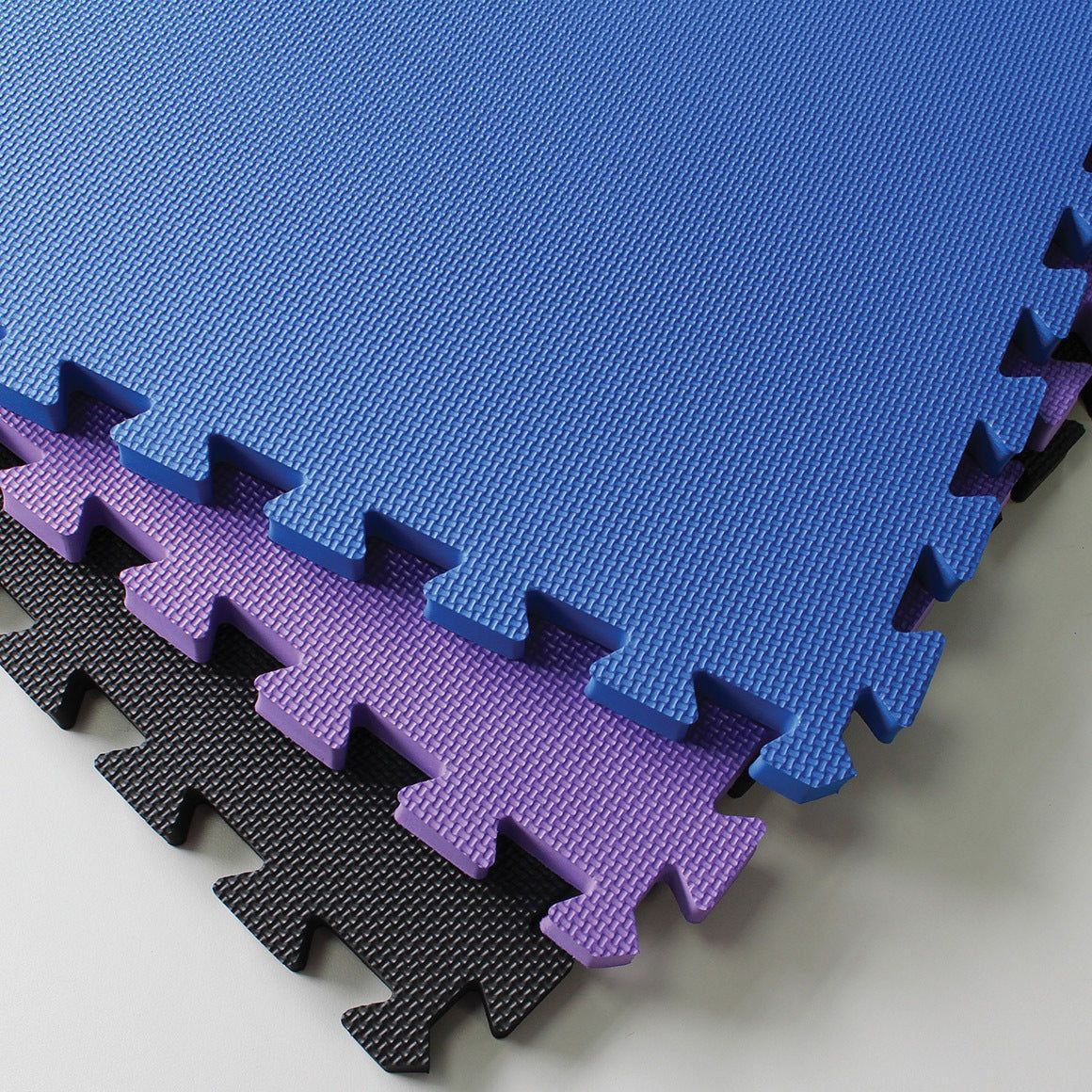
Foam Mat Gym Flooring
Original price was: R450,00.R409,40Current price is: R409,40.
Foam Mat Gym Flooring for Comfortable, Quiet, DIY Workouts
Building a home gym or upgrading a training corner doesn’t have to mean expensive renovations. Foam Mat Gym Flooring is one of the easiest ways to create a comfortable, safer, and more usable workout surface—especially on hard floors like tiles, concrete, laminate, or wood.
Foam gym flooring is ideal for people who want cushioning underfoot, better grip, and floor protection without the heaviness of rubber. It’s popular for home gyms, spare rooms, garages, apartments, kids’ activity areas, and light studio use—because it installs quickly, looks neat, and makes training feel better immediately.
At BrandMat, we supply foam mat gym flooring designed for practical South African home setups—easy DIY, easy to expand, and easy to maintain.
Why Choose Foam Mat Gym Flooring?
Foam gym mats are built to improve comfort and reduce the harsh feel of training on hard surfaces. They create a dedicated workout zone that feels more professional—without turning your space into a construction project.
Key benefits of foam mat gym flooring:
-
Comfort & cushioning for bodyweight and floor exercises
-
Improved grip compared to bare tile or concrete
-
Floor protection from scuffs, scratches, and minor impacts
-
Noise reduction for apartments and indoor training
-
Easy DIY interlocking installation (no glue required)
-
Modular and expandable—add more mats later as needed
If your workouts include stretching, mobility, core training, light weights, or general fitness, foam flooring is a great fit.
Best Uses for Foam Gym Flooring
Foam mats are versatile and work well in spaces where comfort matters more than extreme heavy-duty load performance.
Popular applications include:
-
Home gyms and workout corners
-
Garage gyms (especially for bodyweight and light training)
-
Yoga, Pilates, and mobility spaces
-
Kids’ movement areas and family fitness zones
-
Studio-style training rooms for light/medium use
-
Warm-up and stretching zones in a larger gym setup
Foam flooring is especially useful if you often do kneeling exercises, planks, sit-ups, stretching, or rehab-style movements where joints contact the floor.
Interlocking Foam Tiles: Clean Look, Quick Install
Most foam gym flooring comes as interlocking foam tiles (often EVA foam) that fit together like a puzzle. This makes installation fast and flexible.
Simple DIY install steps:
-
Clean the floor (remove dust, grit, and moisture).
-
Plan your layout (square/rectangle areas look the cleanest).
-
Interlock the tiles row-by-row for a tight fit.
-
Trim edges if needed for corners, pillars, or odd spaces.
-
Expand anytime—add tiles later to grow your gym zone.
Because it’s modular, you can start with a small area and scale up as your home gym grows.
Comfort, Traction, and Floor Protection
Foam floors are often chosen because they feel noticeably better underfoot than hard flooring. They also help create a more “gym-like” experience at home.
What foam mat gym flooring helps with:
-
Comfort during floor work (core, stretching, mobility)
-
Reduced cold feel on concrete or tiled floors
-
Less sliding during controlled movements
-
Cleaner workout space (a defined zone you can keep tidy)
-
Protection for floors and downstairs neighbours (reduced noise and minor impact)
If your goal is consistent daily training, comfort is a big factor—because the more comfortable the space feels, the more likely you’ll use it.
What Foam Gym Flooring Is Best For (and When to Choose Rubber)
Foam is excellent for home fitness, but it’s helpful to match the flooring to your training style.
Foam is ideal for:
-
Bodyweight workouts
-
Yoga / Pilates / mobility
-
Light dumbbells and general fitness
-
Low-impact cardio and circuits
-
Kids’ activity and family movement spaces
Consider rubber gym flooring if you:
-
Drop heavy weights regularly
-
Use very heavy equipment
-
Need maximum durability for high-impact training
A smart setup many people use is foam for the stretching/floor area and rubber for heavy lifting zones.
Easy Cleaning and Maintenance
Foam flooring is popular because upkeep is simple. A quick routine keeps the mats looking neat and feeling fresh.
Basic care tips:
-
Sweep or vacuum regularly to remove grit
-
Wipe down with a mild cleaner as needed
-
Spot-clean marks early
-
Keep the area dry (especially near doors in rainy season)
Keeping dirt under control also helps foam tiles fit tighter for longer and keeps the surface more comfortable.
FAQs: Foam Mat Gym Flooring
Is foam gym flooring good for a home gym?
Yes. Foam mats are a top choice for home gyms because they’re comfortable, reduce noise, protect floors, and install easily.
Can I use foam mats on tile or concrete floors?
Absolutely. That’s one of the most common uses—foam makes hard floors more comfortable and less slippery for workouts.
Will foam mats move or separate during workouts?
Interlocking tiles are designed to stay together. For best results, install on a clean, flat surface and keep the area free from grit that can cause shifting.
Is foam flooring suitable for heavy weights?
Foam is best for light-to-medium training. If you regularly lift or drop heavy weights, rubber flooring is usually a better choice for impact resistance.
How much foam flooring do I need?
Measure the length and width of your workout area, then plan a neat rectangular zone. Starting with a smaller area is fine—you can expand later.
Buy Now!
Upgrade your home training space with Foam Mat Gym Flooring from BrandMat. Get a comfortable, non-slip, interlocking workout surface that protects your floors, reduces noise, and makes exercise feel better—ideal for home gyms, garages, and fitness rooms. Order online with SA-wide delivery.
Reviews
There are no reviews yet.