
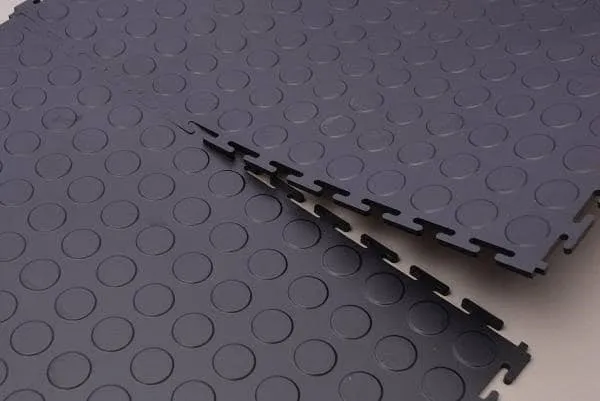
Industrial PVC Workshop Tiles
Price range: R143,75 through R368,00
Industrial PVC Workshop Tiles for Tough, Practical Workshop Floors
Workshops are hard on floors. Between daily foot traffic, tool drops, dust, trolleys, oil marks, and constant movement, concrete quickly becomes stained, rough, and difficult to keep clean. Industrial PVC Workshop Tiles are designed to solve that problem with a durable interlocking flooring system that upgrades your workspace fast—without major downtime or messy construction.
Whether you’re running a mechanical workshop, light industrial bay, service area, tool room, fabrication corner, or a serious home workshop, PVC workshop tiles create a tougher, cleaner-looking surface that protects your slab and makes day-to-day maintenance easier.
Why choose PVC tiles for a workshop?
Concrete is common, but it’s not always ideal. It dusts, absorbs stains, and can look worn even when you clean it. Industrial PVC tiles give you a protective layer that improves function and presentation.
Key benefits of Industrial PVC Workshop Tiles:
-
Protects your concrete floor from scuffs, chipping, and surface wear
-
Reduces concrete dust for a cleaner workshop environment
-
Non-slip traction for safer movement in busy work zones
-
Fast interlocking installation with minimal disruption
-
Easy to clean compared to rough or porous surfaces
-
Replaceable per tile—repair only the affected area
-
Professional finish that makes the workshop feel organised and upgraded
If your workshop is customer-facing, a clean, uniform floor also improves first impressions and professionalism.
Best uses for Industrial PVC Workshop Tiles
These tiles suit a wide range of workshop and industrial spaces, especially where durability and easy maintenance matter.
Common applications include:
-
Mechanical and automotive workshops
-
Service bays and maintenance areas
-
Tool rooms and fabrication spaces
-
Packing benches and workstations
-
Store rooms and parts counters
-
Garages used as workshops (home or commercial)
-
Light industrial production corners
They’re also useful for creating defined zones—walkways, work bays, and storage areas—so your floor supports a cleaner workflow.
Built for real workshop conditions
Workshop floors face daily wear, and small damage often becomes a long-term problem with permanent flooring. Interlocking PVC tiles are popular because they are modular and repair-friendly.
Practical advantages you’ll notice:
-
A more consistent surface that’s easier to sweep
-
Better handling of everyday scuffs and marks
-
A tidier, more “finished” look around tool benches and bays
-
Less downtime for repairs (swap a tile instead of redoing an entire section)
If your workshop changes layout over time, modular flooring is also flexible—you can expand or reconfigure later.
DIY interlocking installation with minimal downtime
One of the biggest reasons workshops choose PVC tiles is how quickly they can be installed. In many cases, you can install in phases so work continues.
Simple install approach:
-
Clean the base floor: sweep thoroughly and remove loose grit.
-
Plan your layout: start from a straight edge or main work bay line.
-
Interlock row-by-row: click tiles together to build your floor area.
-
Trim where needed: cut around pillars, corners, or edges for a neat fit.
-
Finish edges: add ramps/edging where you want safer transitions and a cleaner perimeter.
Because it’s modular, you can start with the busiest zone first (like the main bay or walkway) and extend later.
Cleaning and maintenance made simple
Workshops can’t afford high-maintenance floors. PVC tiles make daily upkeep easier—especially compared to porous concrete.
Recommended maintenance routine:
-
Sweep or vacuum regularly to remove grit and metal dust
-
Mop with a mild cleaner as needed
-
Spot-clean spills early for the best finish
-
If a section gets damaged or heavily marked, replace that tile
Keeping grit under control helps any workshop floor last longer and keeps the surface looking better over time.
How to choose the right workshop tile setup
To get the best results, consider:
-
Traffic type: foot traffic only vs frequent trolley movement
-
Work conditions: dust-heavy areas vs wet or oily bays
-
Coverage plan: full workshop vs key areas first
-
Safety needs: prioritise traction in walk lanes and entrances
-
Edges and transitions: ramps/edging can improve safety and presentation
If you’re unsure, start with main walkways + the primary work bay—those areas show the biggest improvement first.
FAQs: Industrial PVC Workshop Tiles
Can I install workshop tiles without stopping operations?
Often yes. Many workshops install in phases—one bay or one section at a time—so work can continue with minimal disruption.
Do I need glue or permanent fixing?
In most cases, no. Interlocking PVC tiles are designed to lock together securely on a stable, clean surface.
Can I replace a single damaged tile?
Yes. That’s one of the biggest advantages—replace only the tile affected instead of redoing the whole floor.
Are these tiles suitable for workshops with oils and dirt?
They’re commonly used in workshop environments because they’re easier to clean than concrete and help keep floors looking more professional. Regular cleaning is still important in oily zones.
Ready To Order?
Upgrade your work area with Industrial PVC Workshop Tiles from BrandMat—heavy-duty interlocking workshop flooring that protects concrete, improves traction, reduces dust, and stays easy to maintain. Install fast, expand anytime, and replace tiles as needed. Order now with SA-wide delivery.